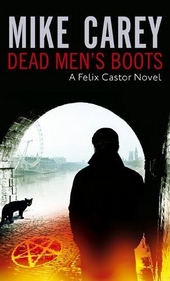
Thicker Than Water читать онлайн

- Жанр: Легкое чтение, Фэнтези, Городское фэнтези
- Рейтинг: 0 баллов
- Мнений: 0 мнений
- Просмотров: 1 чтение
О книге
Открывайте «Thicker Than Water» и читайте — текст лежит здесь целиком, бесплатно, без регистраций и подтверждений номера. Жанр — Легкое чтение, Фэнтези, Городское фэнтези. Никаких обрезанных глав и предложений «оплати подписку, чтобы узнать, чем всё кончится»: книга представлена в том виде, в каком её написал Mike Carey.
Прежде чем нырять в первую главу, гляньте аннотацию или авторское предисловие — обычно там в двух абзацах понятно, о чём вообще речь, какой настрой и стоит ли это вашего вечера. Предисловие публикуем как есть, без редакторских пересказов от себя. Если описания пока нет или оно куцее — оставьте коммент, найдём и добавим.
Текст разбит на страницы: глазам так комфортнее, чем листать бесконечную ленту, и читается дольше без усталости. Место, где остановились, сохраняется автоматически — закрыли вкладку, вернулись через неделю, и страница откроется ровно та же. Шрифт регулируется, фон переключается между светлой и тёмной темой: вечером с тёмной экран меньше слепит, днём светлая привычнее.
Под книгой — отзывы тех, кто уже прочёл. Туда заглядывать полезно: иногда вылезают спорные смыслы, которые сам пропустил, иногда — категоричные «не моё, не тратьте время», и тоже информация. Дочитали «Thicker Than Water» — оставьте пару строк, кому-то это поможет решить.
Текст книги
Did the idea for the Castor books come to you fully realised or did you have one particular starting point from which it grew?
The starting point was Castor himself: the idea of a Chandler-style private eye who’s actually a private exorcist. Then I had a subsidiary idea for the mechanics of the story - for how the various undead beings could be explained and connected to each other. Throwing those two ideas against each other gave me a rough vision of how the first three novels would play out, and the big reveal we might play towards in the longer term - if there was a longer term.
Like you, Felix Castor hails from Liverpool but makes his home in London. The advantages to this ‘write what you know’ approach are obvious, but have you found any pitfalls to writing Castor’s history so much in line with your own?
Yes! In Thicker Than Water, the fourth novel, I take Castor back to Liverpool. There’s a lot about his parents there, a lot about his brother Matthew, a lot about his relationships with other kids he knew in Walton.
Your take on the supernatural is almost scientific in its logic.
I’m an atheist when it comes to God, but an agnostic when it comes to most supernatural phenomena. Don’t get me wrong, I come at these things from a rationalist perspective - and I’m dead set against the way the rationalist consensus is now under attack by extremists in pretty much every organised religion. But I don’t necessarily see a fixed and unwavering line between the things that science can explain and the things that it can’t.
Mike Carey — что почитать дальше?
Если Mike Carey — ваш автор, эти книги ждут вас